Cocos (Keeling) Islands
Why visit the Cocos (Keeling) Islands
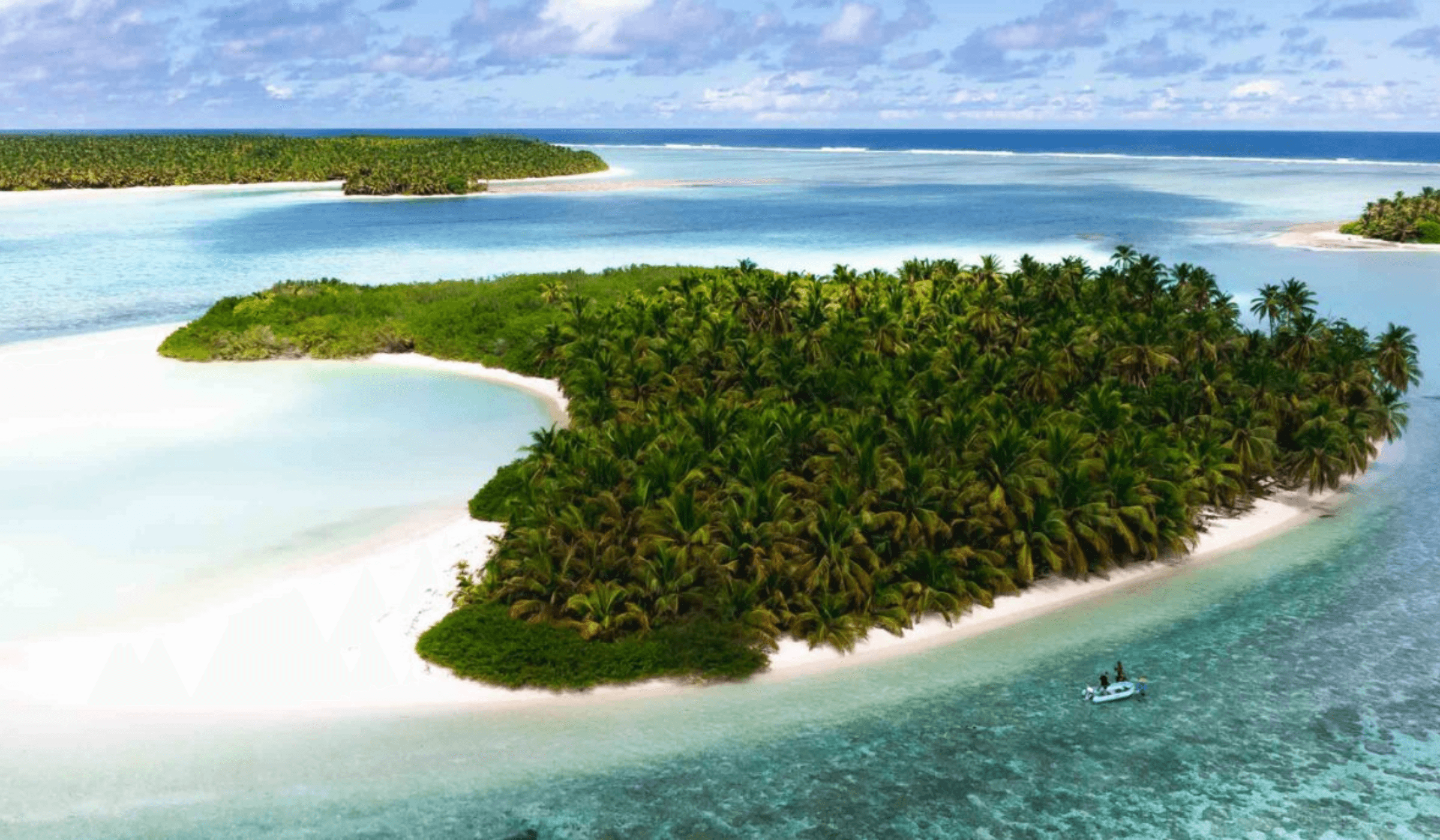
The Cocos (Keeling) Islands are an Australian external territory formed by two coral atolls in the Indian Ocean. Twenty-seven low islands curve around lagoons and reef, but permanent settlement is concentrated on West Island and Home Island. The result is a destination defined by water, coconut palms and two closely connected communities rather than by a conventional resort strip. The southern atoll’s broad lagoon supports everyday transport and recreation, while remote North Keeling Island is protected within Pulu Keeling National Park. Visitors come for the marine environment and the chance to encounter a distinctive Cocos Malay culture on its own terms.
Lagoon beaches, reef flats and clear channels make snorkelling, diving, kayaking, fishing and kite-surfing central experiences. Direction Island is known for a beach setting and a current-swept snorkelling channel suited to competent swimmers who follow local advice, while Home Island offers cultural tours, food and the rhythm of the Kampong community. Offshore reefs support turtles, sharks, rays, seabirds and abundant fish, and the surrounding Cocos (Keeling) Islands Marine Park protects a vast ocean area. The islands reward unhurried exploration, with simple coastal walks and ferry journeys often as memorable as a scheduled activity.
The islands were uninhabited until the nineteenth century, when settlements and coconut plantations were established under the Hare and Clunies-Ross enterprises. People brought from across the Malay Archipelago, South Asia and East Africa formed the foundations of today’s Cocos Malay community, developing a distinct language, Islamic traditions and island identity through generations of plantation rule. Britain incorporated the islands into its empire before they became an Australian territory in 1955. A United Nations-observed act of self-determination in 1984 favoured integration with Australia, while Home Island’s living culture remains central to understanding that political history.
Flights link the islands with Perth and Christmas Island, arriving on West Island. Local ferries connect West and Home islands and provide scheduled access to Direction Island, while bicycles, hire vehicles and walking cover most land journeys. Accommodation, shops and dining are limited in number, so visitors should confirm bookings and essential services before travel rather than relying on spontaneous choice. Tropical weather, tides and trade winds shape boating and outdoor plans. West Island provides the airport and many visitor services, while respectful dress and behaviour on Home Island recognise the community’s Islamic culture and make the short inter-island journey part of the destination rather than merely a transfer.
Experiences in the Cocos (Keeling) Islands
WānaTravel partners with Viator and GetYourGuide so you can browse and book experiences directly. Prefer a personal touch? Contact WānaTravel and we'll add it to your itinerary for you.
Practical Information
Travel essentials, government safety advisories and The Out Index score for Cocos (Keeling) Islands.

Out Score of Cocos (Keeling) Islands
Out Score of Cocos (Keeling) Islands
64
Tier B