Coral Sea Islands
Why visit Coral Sea Islands
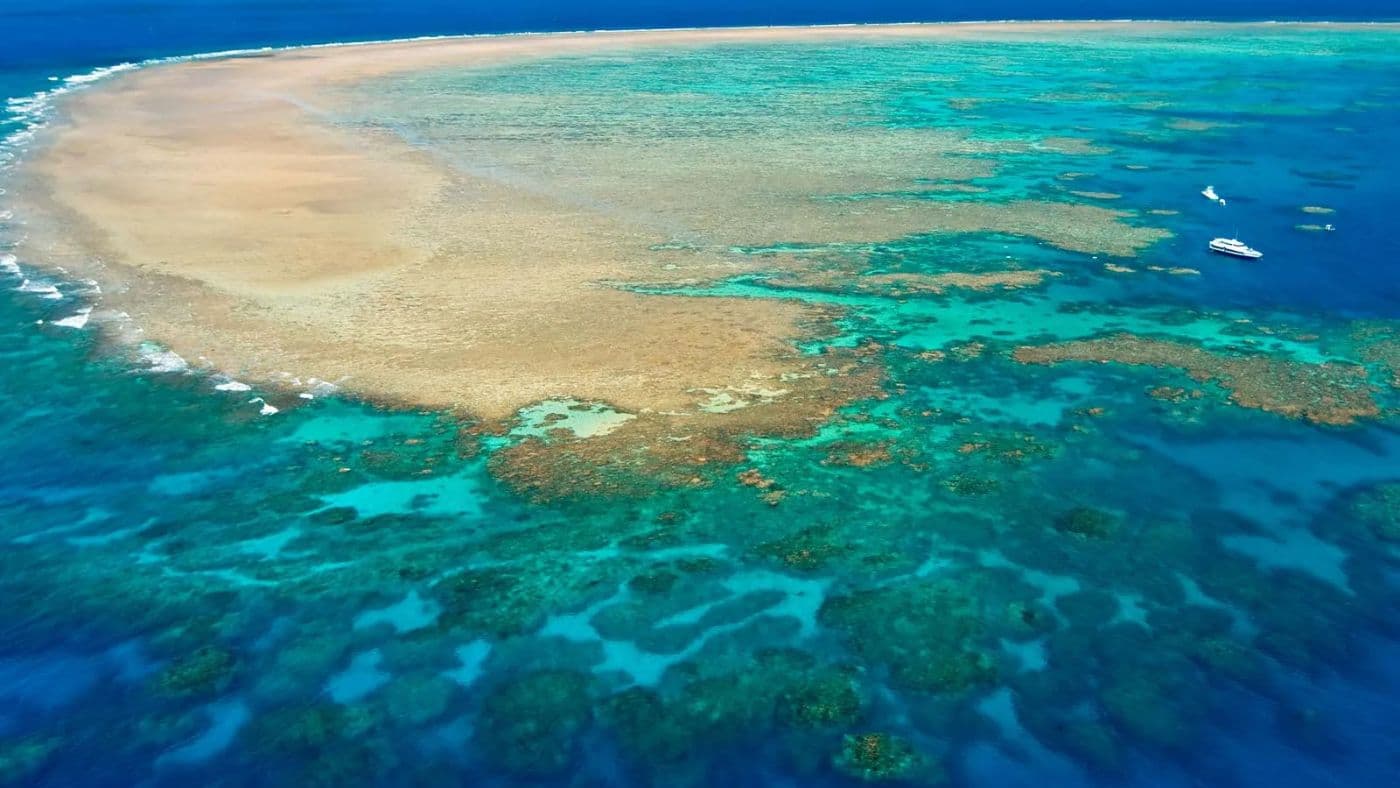
The Coral Sea Islands Territory is an Australian external territory spread across roughly 780,000 square kilometres of ocean beyond the outer edge of the Great Barrier Reef. Its reefs, atolls and small coral cays are widely separated, low-lying and almost entirely uninhabited. Only Willis Island has a rotating Bureau of Meteorology team, maintaining a weather-observation presence rather than a permanent town. There are no resorts or public settlements. The territory’s value lies in its remote reef systems, seabird nesting sites and role in understanding tropical weather, making it an expedition environment rather than an ordinary island holiday destination.
Coringa-Herald, Lihou, Elizabeth and Middleton reefs protect extensive coral, lagoon and open-ocean habitat. Green turtles nest on some cays, seabirds gather in nationally significant colonies, and clear offshore waters support diverse reef fish, sharks and pelagic species. Specialised liveaboard diving and scientific work can reach parts of the region, but distance and protection rules make each visit highly dependent on location and permit. The most rewarding perspective is ecological: these small pieces of land anchor large marine ecosystems, while their isolation allows natural processes to continue with less direct pressure than heavily visited reefs closer to the mainland.
European navigators charted parts of the Coral Sea over several centuries, and the islands later gained strategic and meteorological importance as shipping, aviation and weather forecasting developed. A staffed weather station has operated on Willis Island since 1921, creating the territory’s only continuing human outpost. The Commonwealth established the territory in 1969 and later extended it to include Elizabeth and Middleton reefs. Nature reserves and marine protected areas followed. With no Indigenous or settled island population, its human history is principally maritime, scientific and administrative, while surrounding Sea Country traditions belong to distinct communities beyond the territory and should not be casually reassigned.
There is no scheduled air or sea service, public accommodation, road network or general visitor centre. Access requires a capable private, research or authorised expedition vessel, detailed weather and navigation planning, and compliance with the rules for each reserve or marine park zone. Voyages usually begin from the Queensland coast but can involve long passages in exposed waters, with limited emergency support and no supplies on arrival. Some sites may be closed or require permission for landing, diving or research. Travellers unable to meet expedition and environmental standards should engage through official maps, science and conservation reporting rather than attempting an independent visit.
Experiences in Coral Sea Islands
WānaTravel partners with Viator and GetYourGuide so you can browse and book experiences directly. Prefer a personal touch? Contact WānaTravel and we'll add it to your itinerary for you.
Practical Information
Travel essentials, government safety advisories and The Out Index score for Coral Sea Islands.