Heard Island and McDonald Islands
Why visit Heard Island and McDonald Islands
Heard Island and McDonald Islands lie in the Southern Ocean about 4,100 kilometres south-west of the Australian mainland and well north of Antarctica. This uninhabited external territory is dominated by active geology, glaciers and severe ocean weather. Big Ben, an active volcano crowned by Mawson Peak, rises over Heard Island, while eruptions have repeatedly reshaped the smaller McDonald Islands. Few places combine fire and ice so visibly or remain so little altered by people. Their scientific value comes from that isolation, which allows geological, glacial and ecological change to be observed in an unusually intact sub-Antarctic setting.
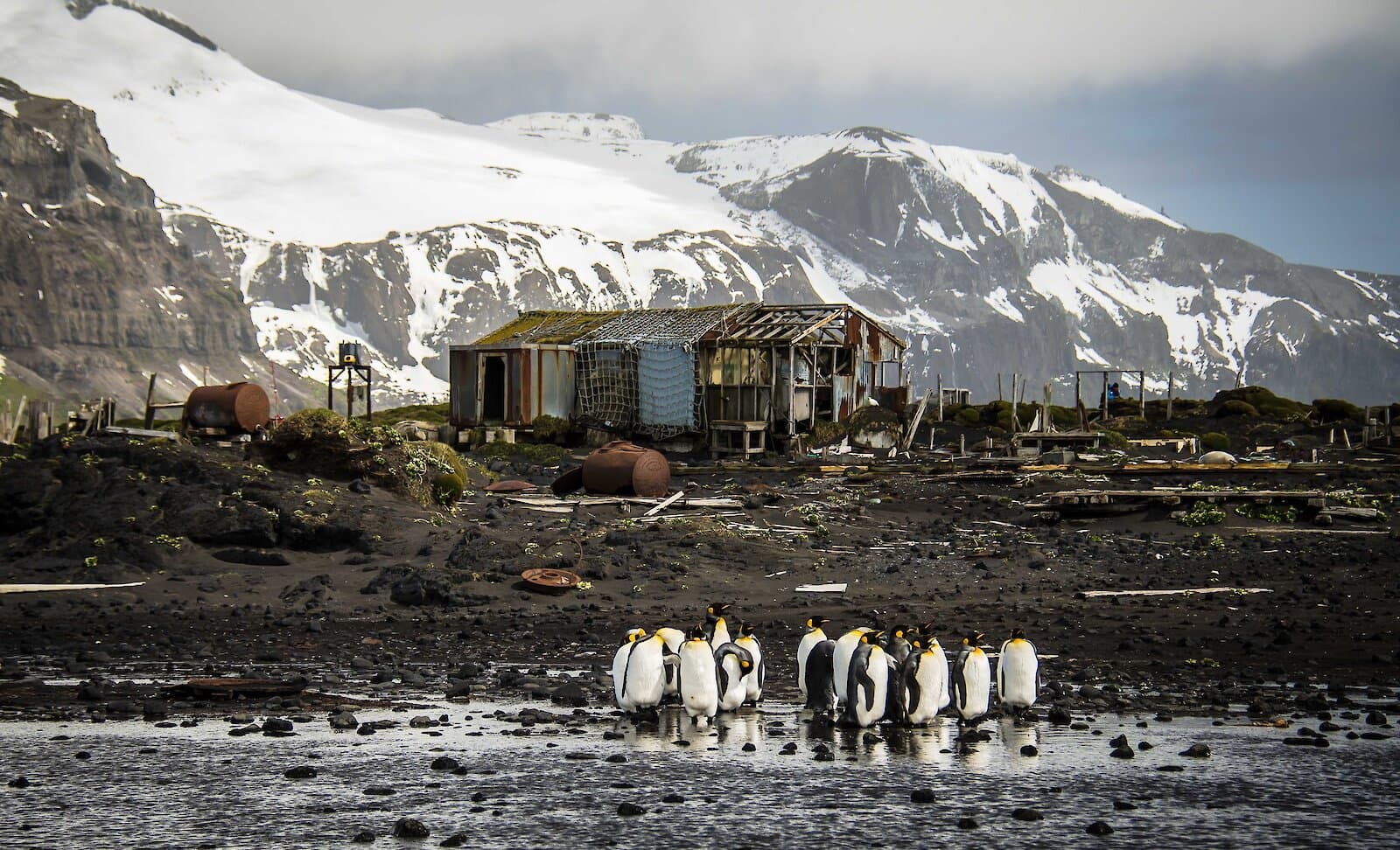
Glaciers descend from Heard Island’s high interior towards dark beaches where southern elephant seals, fur seals and several penguin species breed. Petrels, albatrosses and other seabirds use the islands and surrounding waters, while the large marine reserve protects feeding areas and deep-ocean ecosystems. McDonald Islands are especially difficult to approach, but their expanding volcanic landforms demonstrate island building in real time. The territory is also World Heritage listed for its physical processes and near-pristine environment. Any authorised landing prioritises wildlife distances, biosecurity and scientific monitoring rather than the freedom of movement expected at a public national park.
European mariners first recorded Heard Island in 1853, after harsh weather and remoteness had kept the islands outside established sailing routes. Nineteenth-century sealing brought the first sustained human activity and left historical traces, but there was never an Indigenous or permanent resident population. Australia established a research station on Heard Island in 1947 and later accepted sovereignty from Britain, with scientific expeditions continuing intermittently after the station closed. Conservation protection and World Heritage recognition now define the territory’s management. Its cultural record is therefore a short but revealing history of sealing, exploration, science and changing attitudes towards remote ecosystems.
No passenger route, hotel, harbour, airstrip or visitor service operates here. Reaching the territory requires a long Southern Ocean expedition in a suitably equipped vessel, followed by uncertain landing conditions on an exposed coast. Australian environmental authorisation and territory permits are required, and strict quarantine procedures protect the islands from introduced species and disease. Expeditions must be self-sufficient, prepared for rapid weather changes and capable of leaving no waste or infrastructure behind. For almost everyone, official expedition reports, maps and wildlife research provide the realistic means of experiencing these islands, while physical access remains rare and tightly controlled.
Experiences in Heard Island and McDonald Islands
WānaTravel partners with Viator and GetYourGuide so you can browse and book experiences directly. Prefer a personal touch? Contact WānaTravel and we'll add it to your itinerary for you.
Practical Information
Travel essentials, government safety advisories and The Out Index score for Heard Island and McDonald Islands.