Brussels-Capital
Why visit Brussels-Capital
Where Waffles Meet World Politics
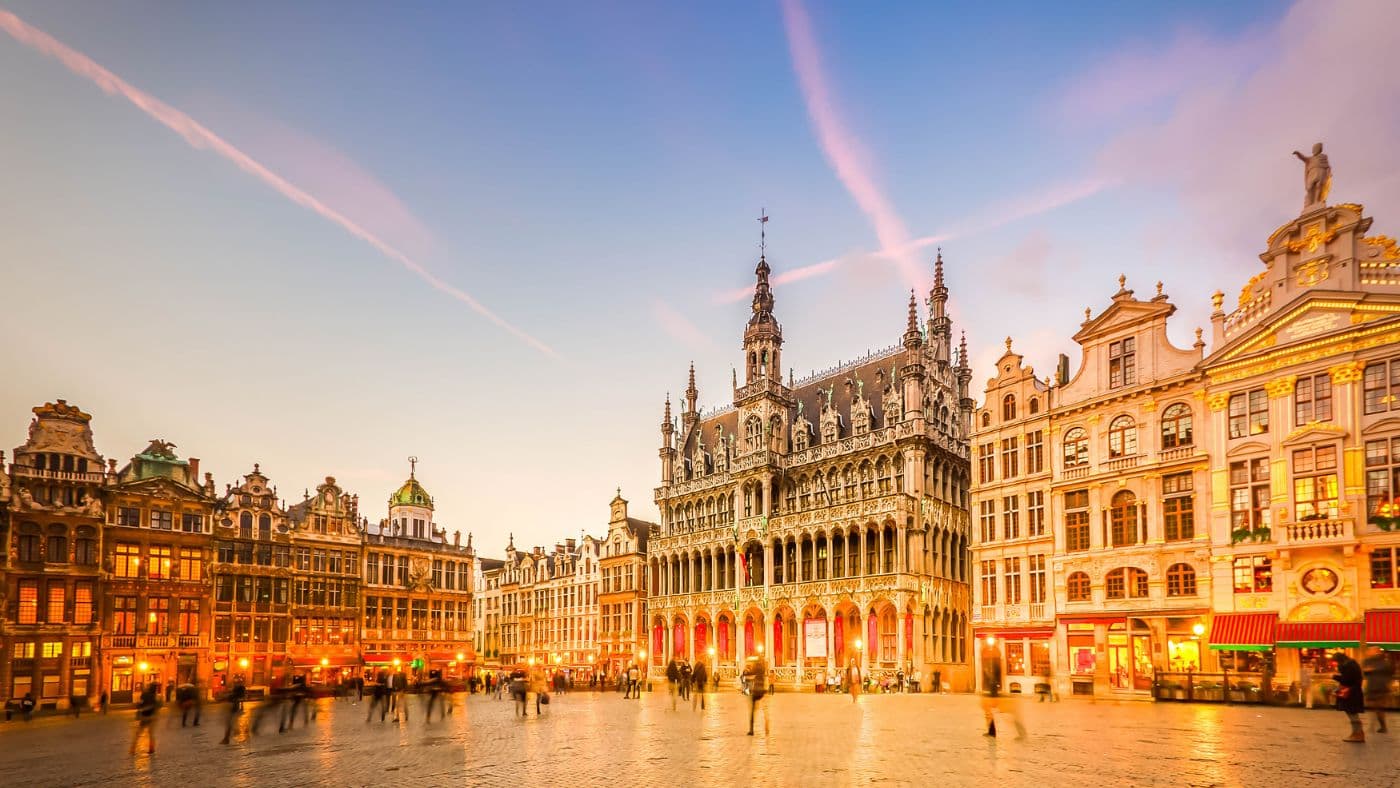
Brussels is a city that somehow juggles being the unofficial capital of Europe with a lifelong commitment to chocolatiers and comic strips. The Grand Place, a cobblestone square ringed by gilded guild houses, glitters under any light and at any hour. Nineteen municipalities knit together a compact region where art nouveau townhouses share streets with glass fronted EU buildings, and where a leisurely lunch can stretch well past three o'clock without anyone raising an eyebrow. The pace is unhurried, the portions generous, and the espresso surprisingly good.
A Canvas Painted in Comics and Murals
Tintin, the Smurfs and Lucky Luke all trace their origins to this corner of Belgium, and the city wears that heritage on its walls. A trail of more than sixty comic strip murals winds through side streets and along canal banks, turning an ordinary walk into an open air gallery. The Belgian Centre for Comic Strip Art occupies a Victor Horta building that is itself worth the visit, and neighbourhood bookshops stock everything from classic Franco Belgian albums to experimental graphic novels. Culture here extends well beyond the frames, with world class museums, jazz clubs and a thriving theatre scene in both French and Dutch.
Two Languages, Three Hundred Beers
Brussels is officially bilingual in French and Dutch, and in practice a good deal more multilingual than that. The linguistic divide has shaped the city's politics, architecture and even its menus, where stoofvlees sits alongside moules frites and carbonade flamande rubs shoulders with waterzooi. Beer culture reaches near spiritual heights: lambic breweries in the Senne valley produce spontaneously fermented ales found nowhere else on earth, and a single neighbourhood bar might offer more than two hundred labels. Add pralines, speculoos and double fried frites with a generous crown of mayonnaise, and the case for an extra day becomes obvious.
A Region That Fits in Your Pocket
At just over 160 square kilometres, the Brussels Capital Region is small enough to cross by bicycle in an afternoon, yet dense enough to reward weeks of exploration. Uccle's leafy avenues and the Bois de la Cambre offer green escapes within the city limits, while the Marolles flea market and the Matongé quarter pulse with a street life that shifts block by block. The European Quarter delivers modernist architecture and a rotating cast of diplomats, but step one street over and you will find a family run friterie doing brisk trade since 1948. Brussels rewards the curious, the hungry and the slightly lost in roughly equal measure.
Experiences in Brussels-Capital
WānaTravel partners with Viator and GetYourGuide so you can browse and book experiences directly. Prefer a personal touch? Contact WānaTravel and we'll add it to your itinerary for you.
WānaTravel partners with Viator and GetYourGuide so you can browse and book experiences directly. Prefer a personal touch? Contact WānaTravel and we'll add it to your itinerary for you.
Practical Information
Travel essentials, government safety advisories and The Out Index score for Brussels-Capital.

Out Score of Brussels-Capital
Brussels-Capital has not received an Out Score yet.
Out Score of Brussels-Capital
Brussels-Capital has not received an Out Score yet.
N/A
Tier N/A