Costa Rica
Why visit Costa Rica
Where Cloud Forests Meet Coral Reefs
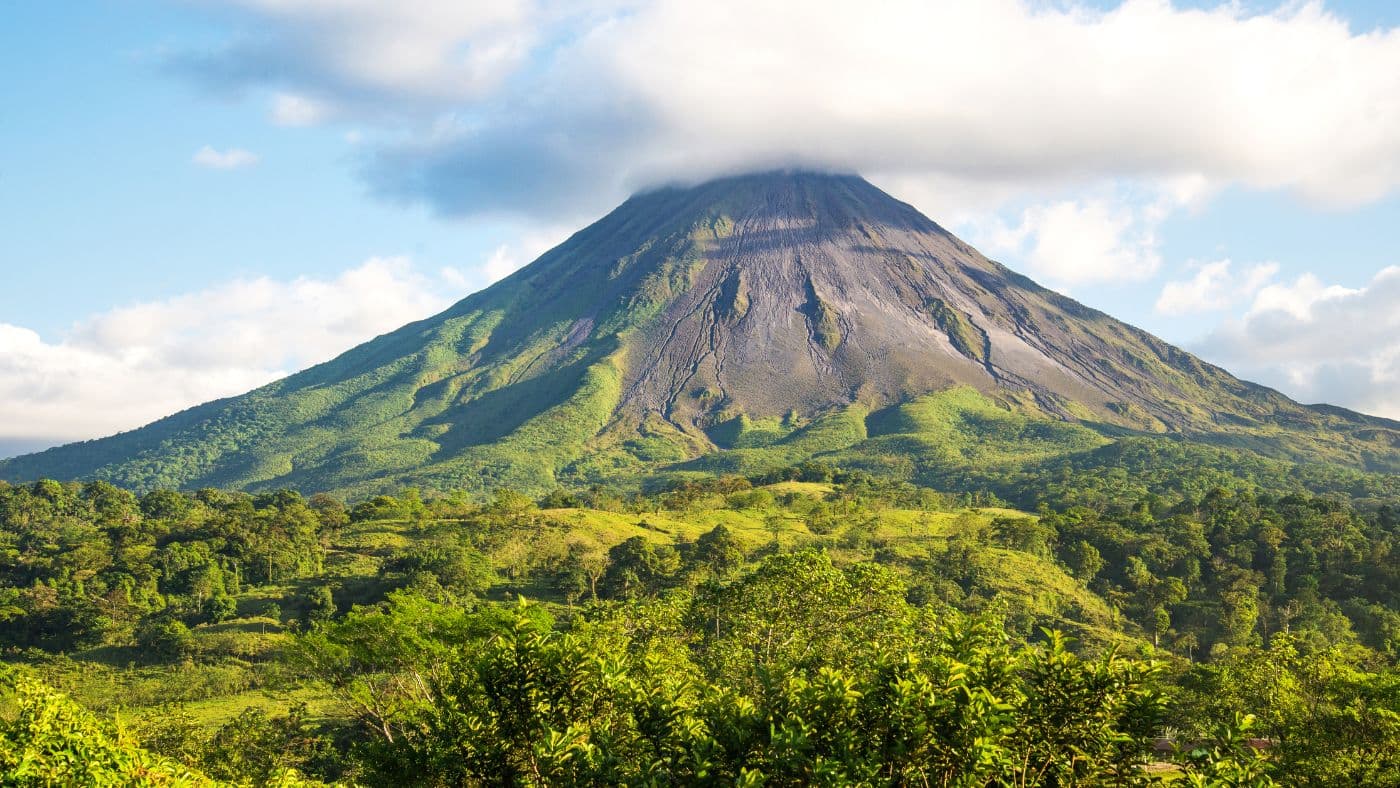
Costa Rica occupies a narrow strip of land between the Pacific Ocean and the Caribbean Sea, yet this slender corridor contains roughly 6% of the world's biodiversity. Volcanoes crown the central highlands, their slopes draped in coffee plantations and cloud forests where resplendent quetzals flit through the mist. From the dry tropical forests of Guanacaste to the mangrove lagoons of the Osa Peninsula, the landscape shifts with almost theatrical frequency. Visitors often find themselves swimming beneath a waterfall in the morning, spotting sloths by afternoon and watching sea turtles nest by moonlight.
Pura Vida Is More Than a Phrase
The national motto, "pura vida," translates loosely as "pure life," but Costa Ricans wield it as a greeting, a farewell, an expression of gratitude and a general philosophy of contentment. The country disbanded its military in 1948 and redirected resources toward education and healthcare, a decision that continues to shape its character. San José, the capital, hums with museums, markets and a lively arts scene, while smaller towns such as Monteverde and Puerto Viejo de Talamanca offer a gentler pace alongside world class surfing and birdwatching.
A Living Laboratory
Costa Rica protects more than a quarter of its territory in national parks, biological reserves and wildlife refuges. Corcovado National Park, on the remote Osa Peninsula, shelters jaguars, tapirs, scarlet macaws and all four species of Costa Rican monkey. Tortuguero, on the Caribbean coast, serves as one of the most important nesting sites for green sea turtles in the western hemisphere. Whether you are zip lining through the canopy at Arenal, soaking in volcanic hot springs or snorkelling off Cahuita, the natural world is never far from the foreground.
Flavours, Festivals and Warm Welcomes
Costa Rican cuisine revolves around rice, black beans and plantains, with "gallo pinto," a seasoned rice and bean dish, anchoring most breakfasts. Coffee grown in the Central Valley highlands ranks among the finest in the world, and cacao from the Caribbean lowlands is experiencing a revival. Festivals such as the Fiestas de Palmares and the Día de los Boyeros celebrate agricultural heritage with ox cart parades, folk music and no shortage of tamales. Ticos, as Costa Ricans affectionately call themselves, are known for their warmth and readiness to share a recommendation, a meal or a "pura vida" with anyone who arrives at their door.
Experiences in Costa Rica
WānaTravel partners with Viator and GetYourGuide so you can browse and book experiences directly. Prefer a personal touch? Contact WānaTravel and we'll add it to your itinerary for you.
WānaTravel partners with Viator and GetYourGuide so you can browse and book experiences directly. Prefer a personal touch? Contact WānaTravel and we'll add it to your itinerary for you.
Practical Information
Travel essentials, government safety advisories and The Out Index score for Costa Rica.

Out Score of Costa Rica
Costa Rica has not received an Out Score yet.
Out Score of Costa Rica
Costa Rica has not received an Out Score yet.
N/A
Tier N/A