Equatorial Guinea
Why visit Equatorial Guinea
Where Rainforest Meets the Sea
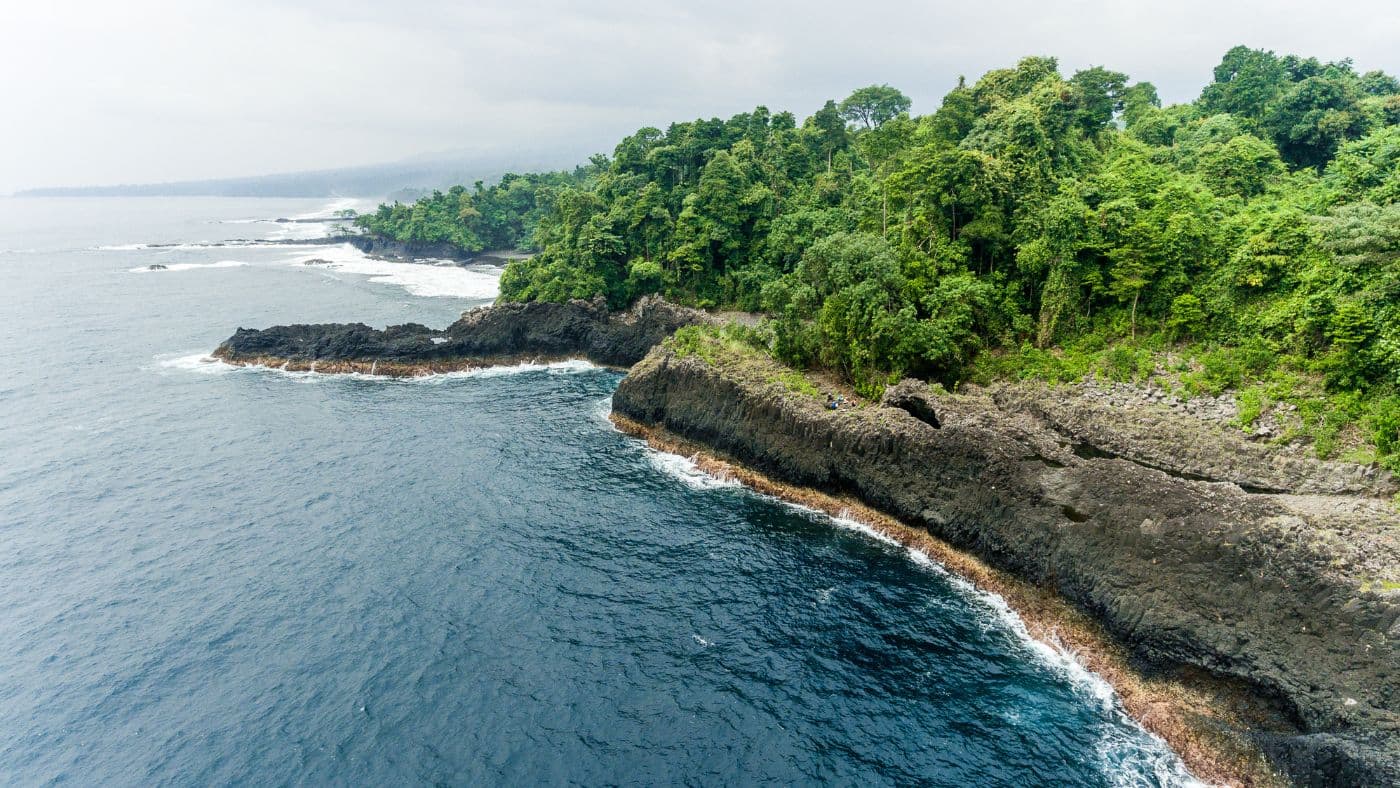
Equatorial Guinea is one of Africa's smallest nations and one of its most surprising. Straddling the equator in the crook of Central Africa's Atlantic coast, it combines a lush mainland region called Río Muni with a collection of volcanic islands anchored by Bioko in the Gulf of Guinea. Dense tropical forest blankets much of the country, sheltering primates, forest elephants and birds found nowhere else on Earth. With Spanish as its primary language, it stands alone as the only nation in Africa south of the Sahara where you can order your morning café con leche and be perfectly understood.
Bioko's Volcanic Drama
The island of Bioko is a place of staggering natural beauty, with cloud forests cascading down the flanks of ancient calderas and black sand beaches lining its southern shores. Malabo, the former capital perched on the island's northern edge, buzzes with a cosmopolitan energy fuelled by decades of oil wealth. Just a short drive south, Pico Basilé rises above the treeline, its summit often wrapped in mist. Drill monkeys and sea turtles call the island home, and on calm evenings the peak of Mount Cameroon shimmers across the water like a mirage.
Mainland Mysteries
Río Muni, the continental half of the country, stretches inland from the port city of Bata through rolling hills and river valleys to the borders of Cameroon and Gabon. Bata is the nation's largest city, a vibrant and rapidly growing hub where bustling markets spill onto the waterfront promenade. Beyond the coast, the forest thickens and the pace of life slows. Small villages dot the roads between provincial capitals, and the sounds of Fang language and music fill the air. The government's ambitious new capital, Ciudad de la Paz, is taking shape deep in the interior forests of Djibloho province.
A Tapestry of Cultures
Equatorial Guinea's cultural fabric weaves together the traditions of its Fang, Bubi, Ndowe and Annobonese communities with centuries of Spanish colonial influence and a growing connection to the wider Francophone and Lusophone worlds. Festivals blend Catholic processions with ancestral dances, and local cuisine draws from both forest and ocean. Pepper soup, grilled plantains and freshly caught fish are staples on tables across the country. Whether you find yourself watching the sun set over the Gulf of Guinea from a beachside palapa or listening to the chorus of frogs in a highland cloud forest, this is a destination that rewards the curious.
Experiences in Equatorial Guinea
WānaTravel partners with Viator and GetYourGuide so you can browse and book experiences directly. Prefer a personal touch? Contact WānaTravel and we'll add it to your itinerary for you.
WānaTravel partners with Viator and GetYourGuide so you can browse and book experiences directly. Prefer a personal touch? Contact WānaTravel and we'll add it to your itinerary for you.
Practical Information
Travel essentials, government safety advisories and The Out Index score for Equatorial Guinea.

Out Score of Equatorial Guinea
Equatorial Guinea has not received an Out Score yet.
Out Score of Equatorial Guinea
Equatorial Guinea has not received an Out Score yet.
N/A
Tier N/A