Queen Maud Land
Why visit Queen Maud Land
A Frozen Claim at the Bottom of the World
Queen Maud Land is Norway's Antarctic territory, a sweeping sector stretching from the South Pole to the coast of the Southern Ocean. Claimed by Norway in 1939, it covers roughly 2.7 million square kilometres of ice sheet, mountain ranges and polar plateau. No one lives here permanently. The territory exists in the realm of science, sovereignty and silence.
Research Stations and Polar Science
The territory's only inhabited outpost is Troll, a Norwegian research station operated year-round by the Norwegian Polar Institute. During summer, additional stations from Germany, Japan, India, Sweden and other nations activate across the territory, hosting scientists studying glaciology, atmospheric conditions, and the deep Antarctic ice record. Troll Station sits roughly 235 kilometres from the coast at an elevation of 1,270 metres.
Dramatic Landscapes With No Easy Access
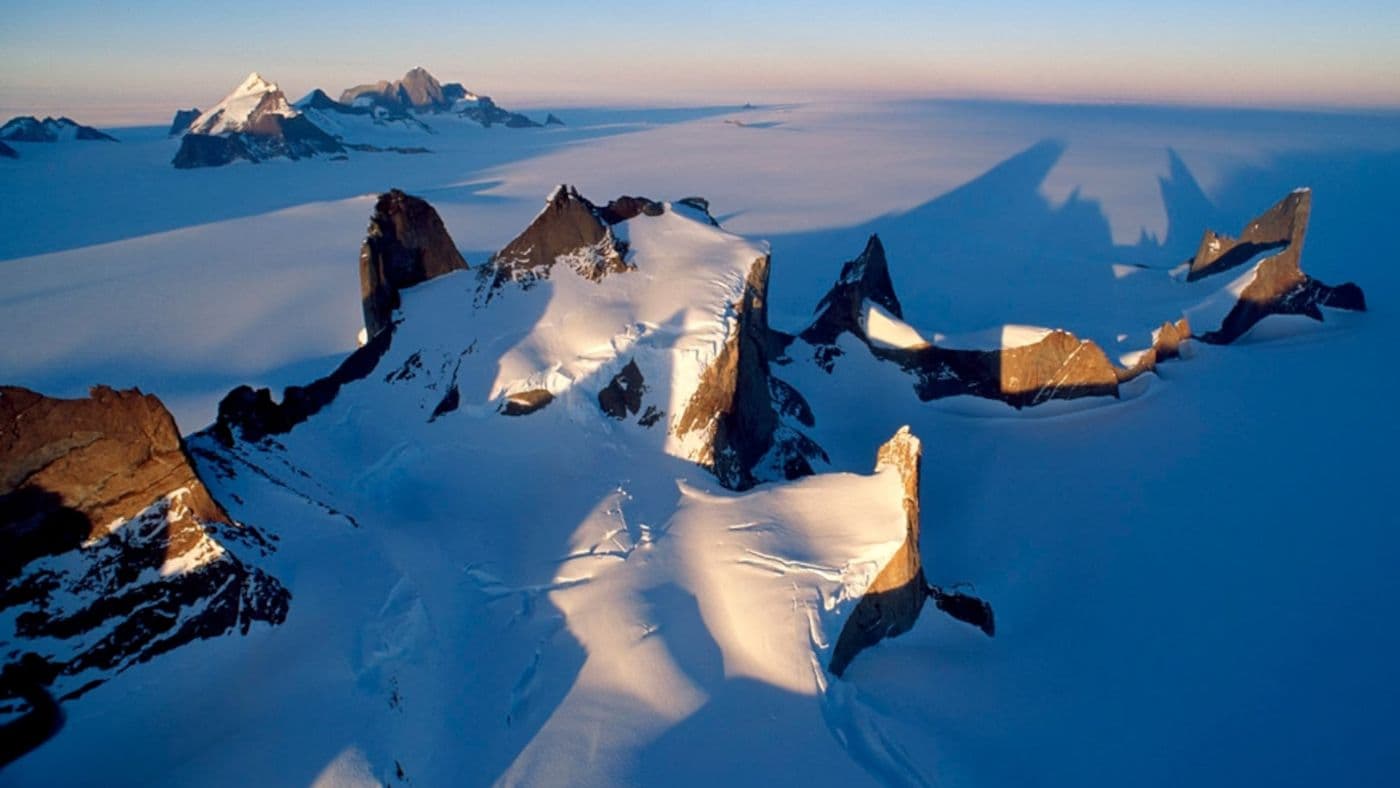
The landscape ranges from towering coastal ice shelves and drifting sea ice to the exposed rock peaks of the Droning Maud Land mountains, known as nunataks, which pierce through the ice sheet like frozen islands. The territory sits mostly within the East Antarctic Ice Sheet, one of the largest and oldest bodies of ice on earth. Access is exclusively by chartered research flight or icebreaker vessel, and no tourism infrastructure exists.
Governed by the Antarctic Treaty
Norway's claim predates the Antarctic Treaty System, which came into force in 1961 and suspended all new territorial claims while preserving existing ones. Under the treaty, the territory is demilitarised, nuclear-free, and open to scientific research from all signatory nations. Norwegian law applies to the territory by virtue of the 1930 dependencies act, though the Antarctic Treaty limits how that sovereignty is exercised in practice.
Experiences in Queen Maud Land
WānaTravel partners with Viator and GetYourGuide so you can browse and book experiences directly. Prefer a personal touch? Contact WānaTravel and we'll add it to your itinerary for you.
Practical Information
Travel essentials, government safety advisories and The Out Index score for Queen Maud Land.