Svalbard
Why visit Svalbard
The Arctic Like You Have Never Imagined
Svalbard sits at the very top of the world, a Norwegian archipelago perched between the North Pole and mainland Europe where nature operates on a scale that makes the rest of the planet feel modest. Glaciers calve into steel-grey fjords, polar bears outnumber people, and the sky shifts from months of perpetual daylight to weeks of total darkness with nothing in between. This is not wilderness in the polished, brochure sense. It is raw, enormous and utterly indifferent to comfort, and that is precisely what makes it unforgettable.
Longyearbyen: A Town That Should Not Exist
The archipelago's tiny capital is a mining settlement that reinvented itself as an unlikely hub for Arctic adventure, science and surprisingly good coffee. Colourful wooden houses dot the hillsides above Adventfjorden, and the town centre packs a museum, gallery, brewery and a restaurant scene that punches well above its weight for a community of fewer than 2,500 people. You cannot drive out of Longyearbyen because there are no roads connecting it to anywhere else. Every journey beyond the town boundary is an expedition.
Light, Darkness and the Theatre of the Sky
No destination on the planet plays with light quite like Svalbard. The midnight sun blazes from late April to late August, meaning hikers, kayakers and snowmobile riders can set off at two in the morning with full daylight ahead of them. Come winter, the polar night wraps the islands in darkness from late October to mid February, transforming the sky into a canvas for the northern lights. The aurora here is vivid, unobstructed and far from the light pollution that dulls it everywhere else.
Wildlife, Glaciers and Getting Properly Far Out
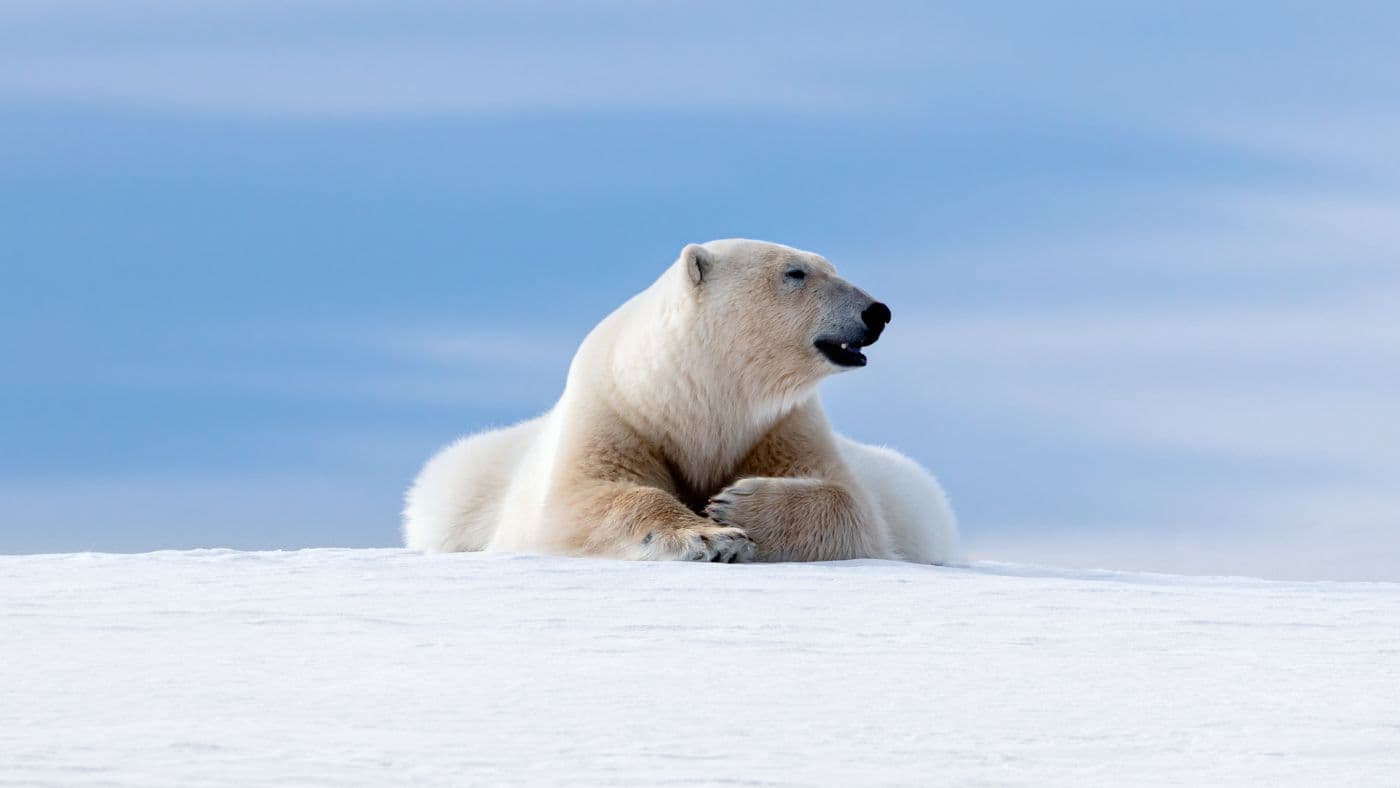
Around 60 percent of Svalbard is protected as national parks or nature reserves, sheltering the world's northernmost populations of reindeer, Arctic fox and walrus alongside those famously independent polar bears. Guided glacier hikes take you across ice fields that have been forming for thousands of years, while boat expeditions into Isfjorden and Kongsfjorden reveal a coastline that shifts season by season. The Global Seed Vault on a hillside above Longyearbyen quietly stores backup copies of the world's crops, a reminder that this remote outpost is also where humanity keeps some of its most important insurance.
Experiences in Svalbard
WānaTravel partners with Viator and GetYourGuide so you can browse and book experiences directly. Prefer a personal touch? Contact WānaTravel and we'll add it to your itinerary for you.
Practical Information
Travel essentials, government safety advisories and The Out Index score for Svalbard.

Out Score of Svalbard
Svalbard has not received an Out Score yet.
Out Score of Svalbard
Svalbard has not received an Out Score yet.
N/A
Tier N/A