Panama
Why visit Panama
Where Two Oceans Shake Hands
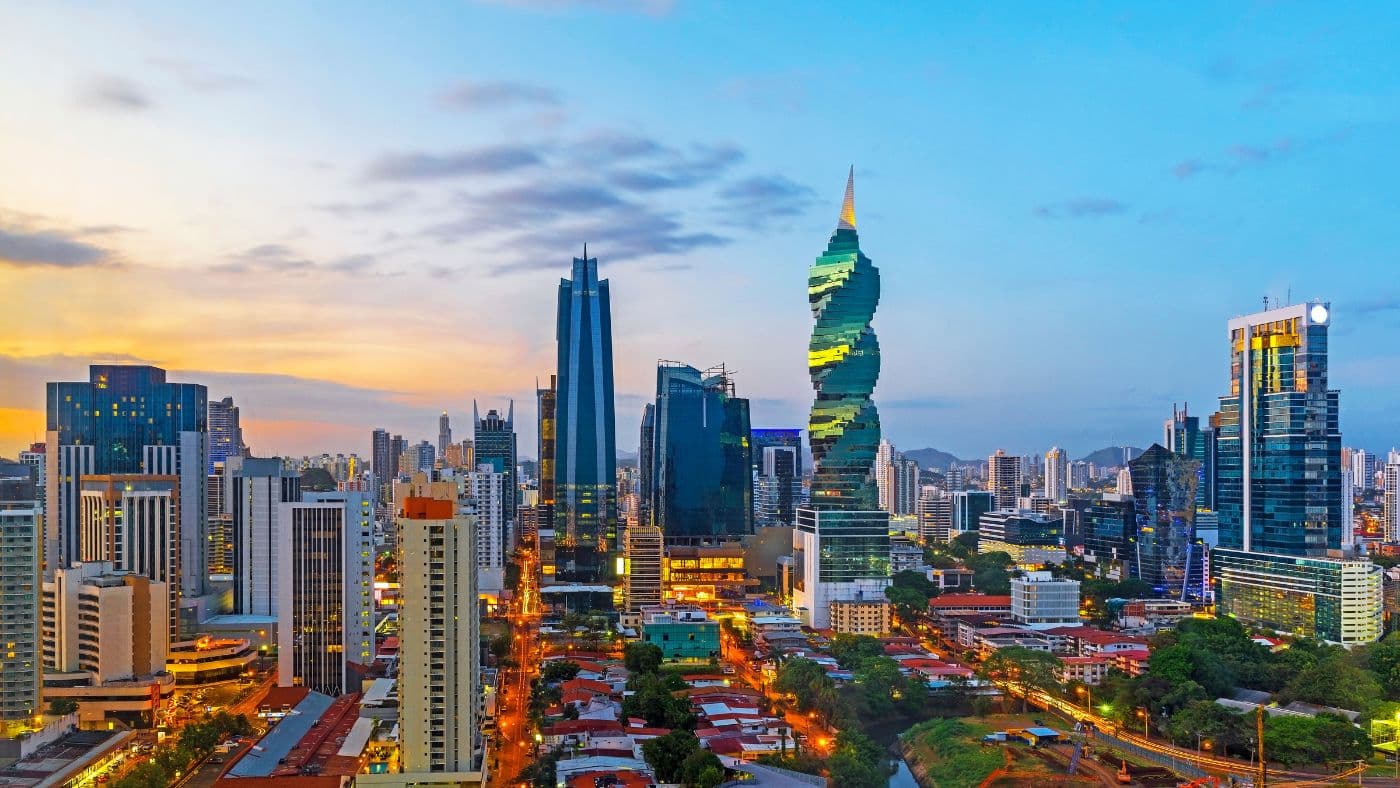
Panama occupies a slender ribbon of land connecting North and South America, a geographic plot twist that makes it one of the most consequential countries on the planet. The canal that bears its name is an engineering marvel still very much in use, channelling roughly five percent of the world's maritime trade through its locks. Beyond the canal, Panama City's skyline rises in a glittering wall of glass and steel, earning comparisons to Dubai and Miami from visitors who never expected a Central American capital to look quite so vertical. The colonial quarter of Casco Viejo, with its pastel facades and rooftop bars, sits in atmospheric contrast just a short walk from the financial district.
Rainforests, Reefs and the Road Less Paved
Venture beyond the capital and Panama reveals a wilderness that feels almost excessive in its abundance. The Darién Gap, one of the last truly roadless stretches on the American continent, harbours jaguars, harpy eagles and indigenous communities whose traditions predate the arrival of Spanish colonisers by millennia. On the Caribbean side, the San Blas Islands (Guna Yala) scatter across turquoise waters like a postcard that forgot to add a filter. The highlands around Boquete offer cooler temperatures, outstanding coffee plantations and some of the finest birdwatching in the Americas, with the resplendent quetzal as the headline act.
A Crossroads of Cultures and Currencies
Panama's position as a crossroads has shaped a culture that borrows freely from its neighbours and trading partners. You will hear Spanish on every corner, but English, Chinese languages, indigenous tongues and the rhythms of Caribbean patois all contribute to the soundtrack. The country's seven indigenous peoples, including the Ngäbe, Guna and Emberá, maintain vibrant traditions that range from the brilliantly coloured mola textiles of the Guna to the living forest architecture of Emberá villages along the Chagres River. The balboa, Panama's official currency, is pegged one to one to the US dollar, and in practice both circulate interchangeably, which makes spending rather straightforward for visitors from North America.
Festivals, Flavour and a Very Famous Hat
Panamanian cuisine reflects the country's position at the intersection of continents, blending Caribbean coconut rice, Central American corn traditions, indigenous root vegetables and fresh seafood hauled from two separate oceans. Carnival in the Azuero Peninsula is a riotous, multiday celebration of music, dance and elaborate costumes that rivals anything in the region. And while the "Panama hat" is actually from Ecuador (a source of enduring mild irritation), the country does claim the pollera, one of the most intricate and labour intensive national costumes in the world. Whether you arrive for the canal, the coffee, the coastline or the chaos of Carnival, Panama has a way of exceeding expectations with a grin and a "¡Que xopa!"
Experiences in Panama
WānaTravel partners with Viator and GetYourGuide so you can browse and book experiences directly. Prefer a personal touch? Contact WānaTravel and we'll add it to your itinerary for you.
WānaTravel partners with Viator and GetYourGuide so you can browse and book experiences directly. Prefer a personal touch? Contact WānaTravel and we'll add it to your itinerary for you.
Practical Information
Travel essentials, government safety advisories and The Out Index score for Panama.
Partial SafeTravel Warning
Do Not Travel
Do not travel to the Darién Gap, south of the town of Yaviza, including the Darién National Park, nature reserves, and tourist resorts.
This is due to high levels of violent crime and the presence of drug traffickers and armed guerrilla forces (level 4 of 4).
Do not travel to the Mosquito Gulf, from Boca de Río Chiriquí to Coclé del Norte, due to high levels of crime, particularly drug and human trafficking (level 4 of 4).
Check the latest and most up to date official information here.

Out Score of Panama
Panama has not received an Out Score yet.
Out Score of Panama
Panama has not received an Out Score yet.
N/A
Tier N/A