Melilla
Why visit Melilla
A City Balanced Between Two Worlds
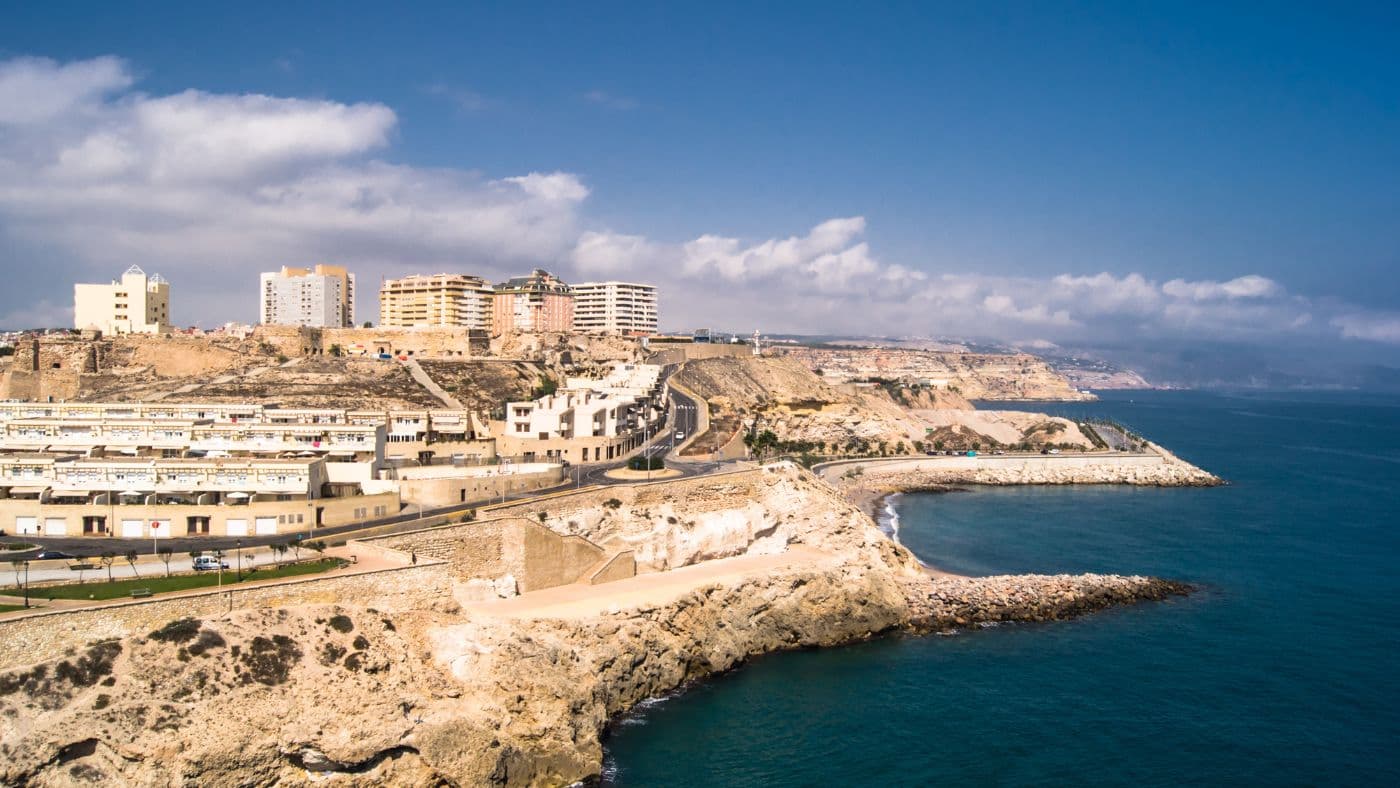
Perched on a rocky promontory where the Mediterranean laps at the edges of North Africa, Melilla is a place that refuses to be easily categorised. It is Spanish to its bones, with tapas bars and football allegiances firmly planted in Iberian soil, yet it sits entirely on the African continent, sharing a fence with Morocco and a cultural heartbeat with the Rif. The result is something genuinely singular: a city of 87,000 people that feels, at various corners of its compact streets, like four civilisations having a particularly convivial conversation.
A Modernist Jewel Hidden in Plain Sight
Melilla harbours one of the most remarkable concentrations of Art Nouveau architecture outside of Barcelona, a legacy of the early twentieth century when the city's prosperity attracted visionary designers to its avenues and plazas. The work of Enrique Nieto, a student of Antoni Gaudí, is stamped across the city's facades in curling ironwork, sinuous stonework, and painted tilework that rewards slow afternoon wandering. Melilla la Vieja, the ancient fortified quarter rising above the port, adds yet another layer, its Renaissance battlements offering views across the sea to the Spanish mainland on a clear day.
Markets, Mosques, and Mediterranean Afternoons
The daily rhythms of Melilla are shaped by its four communities: Christians, Muslims, Sephardic Jews, and Sindhi Hindus, each with their own houses of worship, their own festivals, and their own contributions to the local table. Eid al-Adha is an official public holiday here, a distinction that makes Melilla something of a quiet pioneer within Spain. Tarifit, the Riffian Berber language of the surrounding region, rings out in the market alongside Spanish, and the minaret of the mosque stands a short walk from both a synagogue and a church, a neighbourhood arrangement that encourages a certain philosophical generosity.
Shopping, Sun, and a Duty-Free Bonus
Melilla holds a special tax status within the EU that makes it a draw for shoppers after electronics, perfumes, and spirits at prices noticeably below those on the Spanish mainland. Sandy Mediterranean beaches fringe the city's coastline and are calm enough for families yet appealing enough for those who simply want to read something long in full sunshine. The port runs regular ferry connections to Almería and Málaga, while Melilla Airport serves a growing network of Spanish cities, making it straightforward to reach from the peninsula and pleasingly far from the pressures of mass tourism.
Experiences in Melilla
WānaTravel partners with Viator and GetYourGuide so you can browse and book experiences directly. Prefer a personal touch? Contact WānaTravel and we'll add it to your itinerary for you.
WānaTravel partners with Viator and GetYourGuide so you can browse and book experiences directly. Prefer a personal touch? Contact WānaTravel and we'll add it to your itinerary for you.
Practical Information
Travel essentials, government safety advisories and The Out Index score for Melilla.

Out Score of Melilla
Melilla has not received an Out Score yet.
Out Score of Melilla
Melilla has not received an Out Score yet.
N/A
Tier N/A